Quick Answer
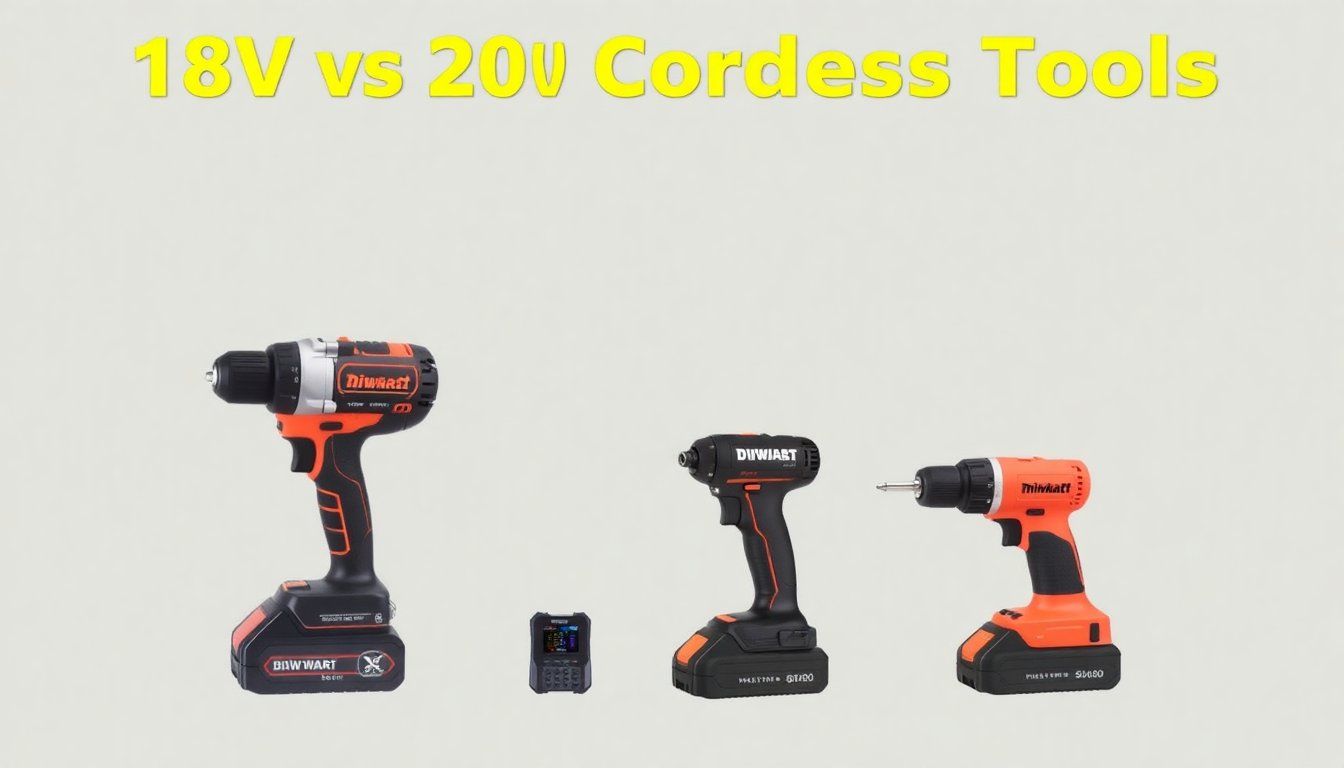
There is no meaningful power difference between 18V and 20V MAX cordless tools. The 20V MAX rating is a marketing term for the same nominal 18V battery system. Both use identical cell arrangements, and the actual working voltage is the same.
Main Explanation: Why 20V MAX = 18V
Lithium‑ion battery cells have two voltage ratings:
- Nominal voltage – the average during discharge (about 3.6 V per cell)
- Maximum voltage – the voltage when fully charged (about 4.2 V per cell)
All major 18V and 20V MAX battery packs contain five cells wired in series, giving:
- Nominal total: 5 × 3.6 V = 18.0 V (sometimes rounded to 18.5 V)
- Maximum total: 5 × 4.2 V = 21.0 V
Brands that advertise “20V MAX” (e.g., DeWalt, Craftsman, Porter‑Cable) quote the maximum voltage, while brands like Makita, Milwaukee, Bosch, and Ryobi use the nominal voltage. The physical batteries and compatible tools are electrically identical.
> “20V MAX vs 18V debate has people thinking 20V tools offer more. They don't. 20V = 18V and we prove it using science, logic…and DeWalt.” – Pro Tool Reviews A power‑tool forum user similarly noted: “between 18v and 20v batteries there is not difference at all”. This same pattern appears in the 12V MAX vs 10.8V naming.
A Note on Torque Claims
Some sources suggest an 18V drill provides higher torque than a 20V model. However, torque depends on motor design, gear ratio, and battery current delivery (amp‑hours), not the voltage label. Because the actual voltage is identical, any performance difference comes from other factors. We have not independently tested this claim.
Practical Takeaways
- Don’t choose a system based on the voltage number. 18V and 20V MAX are electrically the same. Focus instead on:
- Tool lineup – which brand offers the tools you need? For example, check our guides on the best cordless drill or best jigsaw for woodworking to compare offerings.
- Battery platform – can you share batteries with other tools you own?
- Ergonomics, warranty, and price.
- If you already own 18V tools, there is no advantage in switching to a “20V” system from another brand – you’ll get the same performance from your current tools.
- Be skeptical of marketing. The “20V MAX” label sounds more impressive, but it is an 18V pack. The same applies to “12V MAX” (actually 10.8V). For a similar marketing distinction that matters more for performance, see our article on brushed vs brushless cordless tools.
- Pro Tool Reviews – “20V Max vs 18V Batteries: Setting the Record Straight” (https://www.protoolreviews.com/20v-max-vs-18v-battery-power)
- Woodwork Junkie – “18V VS 20V Cordless Drills – Don’t Fall For A Gimmick” (https://woodworkjunkie.com/18v-vs-20v-cordless-drills-dont-fall-for-a-gimmick)
- Power Tool Forum – “Dewalt batteries 18v vs 20v” (https://forum.toolsinaction.com/topic/13919-dewalt-batteries-18v-vs-20v)
- Enegitech – “What is the difference between 18v and 20v drills?” (https://www.enegitech.com/pages/what-is-the-difference-between-18v-and-20v-drills)
- This Old House (Facebook) – “Tool Lab: Understanding Battery Voltages” (https://www.facebook.com/ThisOldHouse/videos/tool-lab-understanding-battery-voltages/1354362132758003)
- Mellif Tools – “What’s the Difference Between DeWalt 18V and 20V MAX Batteries?” (https://mellif-tools.com/blogs/battery-safety/what-is-the-difference-between-dewalt-18v-and-20v-max-batteries)