Quick Answer
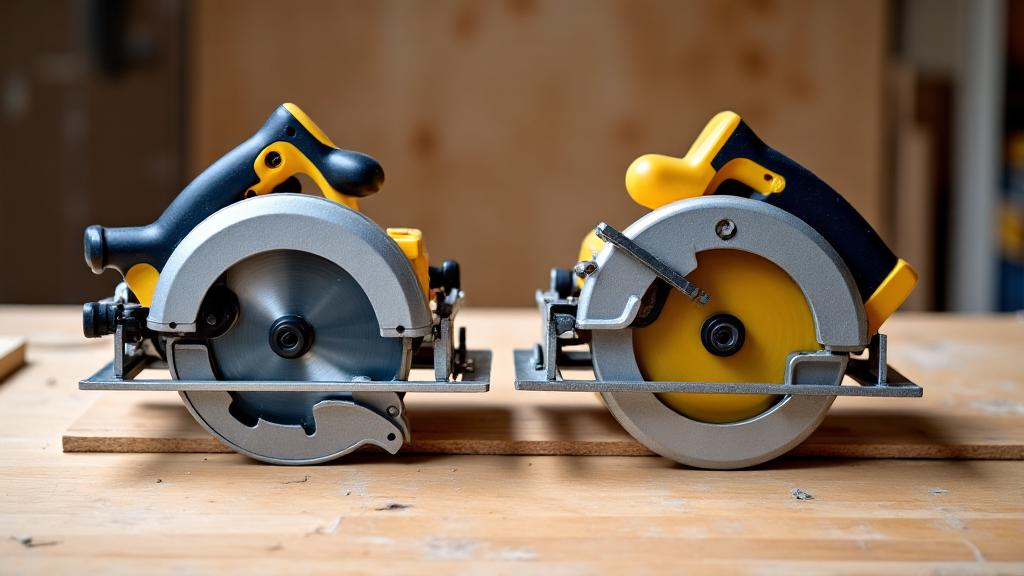
A circular saw is the more portable and affordable option, ideal for general construction and rough cuts. A track saw excels at precision and splinter-free cuts with minimal setup, but costs significantly more.
Main Differences
Portability
Circular saws are more portable than track saws because track saws require a track to work on and often a dust port setup. If you need to carry your saw to multiple job sites or move quickly through framing, a basic Cordless Drill and circular saw combination is easier to transport.
Precision
Circular saws can be accurate but usually need extra guides (such as a straight edge) to achieve precise cuts. Track saws excel at precise, splinter-free cuts without additional accessories, thanks to their dedicated guide rail system. For fine woodworking or sheet-good breakdown, a track saw reduces tear-out and delivers cleaner edges, similar to what you'd expect from a Best Jigsaw For Woodworking for curves.
Cost
Track saws cost several times more than a comparable circular saw and a shop-made guide. Your choice may come down to budget and intended use. If you rarely need perfectly straight cuts, a circular saw with a homemade fence is a very economical option, especially compared to investing in a Best Budget Circular Saw as a starter.
Setup Time
A track saw can be set up faster than attaching an edge guide to a circular saw. The time savings matter most when making many repeat cuts. For occasional use, a homemade guide system may be adequate.
Versatility
A circular saw is good for construction work, and it can be used with a straight edge to act like a track saw in a pinch. A track saw, on the other hand, is very useful for cutting sheet goods, breaking down plywood, and making clean plunge cuts. The right choice depends on whether you prioritize quick, rough cuts or precise, finished cuts.
Practical Takeaways
- Choose a circular saw if: you work on construction sites, need maximum portability, or have a tight budget. With a shop-made guide, you can still achieve reasonably straight cuts.
- Choose a track saw if: you focus on woodworking requiring clean, splinter-free cuts (e.g., plywood panels, countertops), and your budget allows for the higher investment. The faster setup and integrated dust collection make it a favorite for fine projects.
Ultimately, the decision hinges on your budget and intended use. Many woodworkers start with a circular saw and add a track saw later as their projects demand more precision.