Quick Answer
To keep cordless power tools running reliably, clean them after each use, inspect for wear, lubricate moving parts, sharpen or replace blades and bits, store in a dry place, and follow the manufacturer’s manual for specific care.
Main Explanation
1. Read the Manual
Every cordless tool comes with a manufacturer’s manual that outlines recommended maintenance steps. Keeping and reading the manual helps you follow the correct procedures for your specific model.
2. Clean Tools Regularly
Dust, debris, and dirt can accumulate on and inside power tools, reducing performance and causing wear. After each use, let the tool cool down, then wipe the exterior with a damp cloth. For stubborn grime, a bucket of equal parts hot water and Simple Green All-Purpose Cleaner can be used with a wire brush; rinse and towel-dry afterward. For internal cleaning, compressed air is more effective than a brush at removing grit from crevices.
3. Inspect for Wear and Tear
Regularly check your tools for signs of damage or worn parts. Look for cracks in the housing, frayed wires (if applicable), and dull or chipped blades and bits. A common sign of worn carbon brushes is seeing sparks inside the motor housing; these brushes can be replaced rather than buying a new tool. Understanding the difference between brushed and brushless cordless tools can help you assess the type of motor in your tool.
4. Lubricate Moving Parts
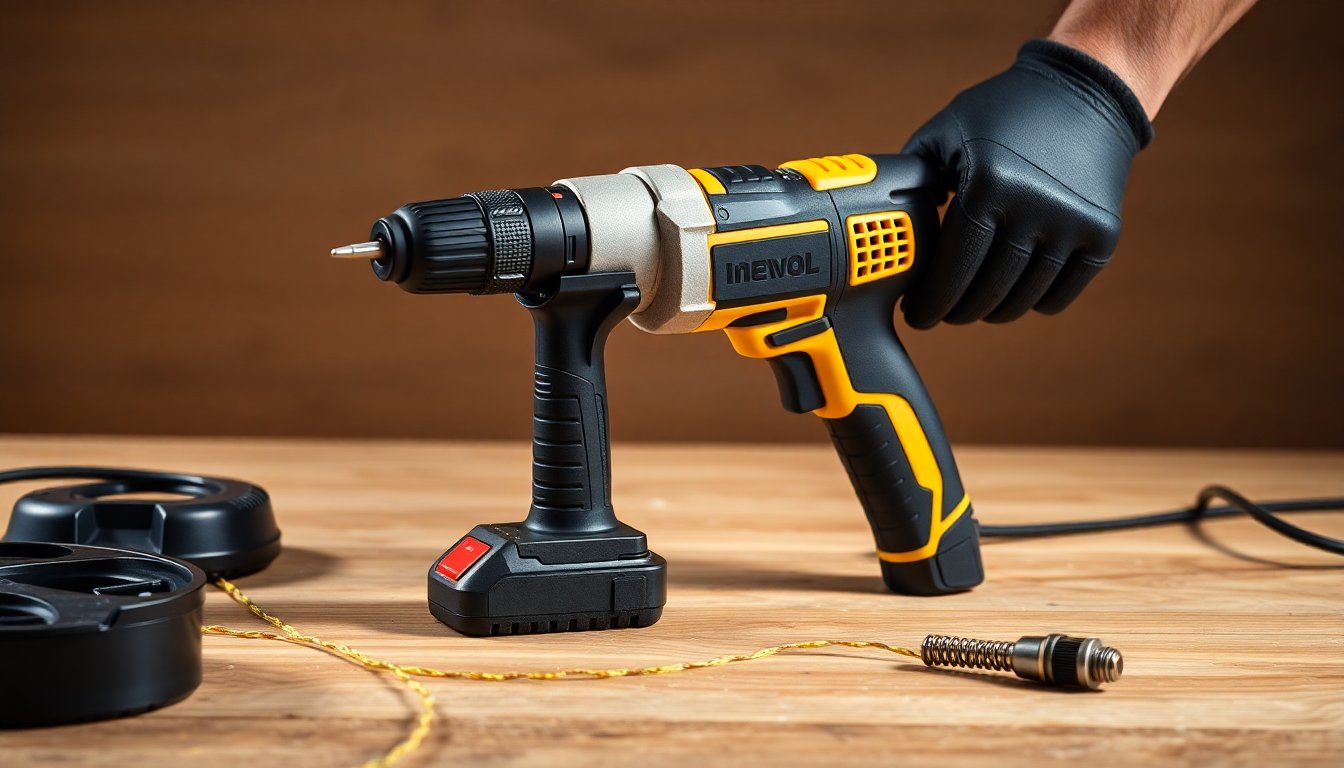
Lubrication reduces friction and prevents premature wear. For a cordless drill, the spindle is the component most at risk. Add lubricant (such as WD-40 Multi-Use Product) when necessary by spraying inside the spindle while holding it with the tip upwards. Follow the manufacturer’s recommendations for other moving parts.
5. Sharpen and Replace Blades and Bits
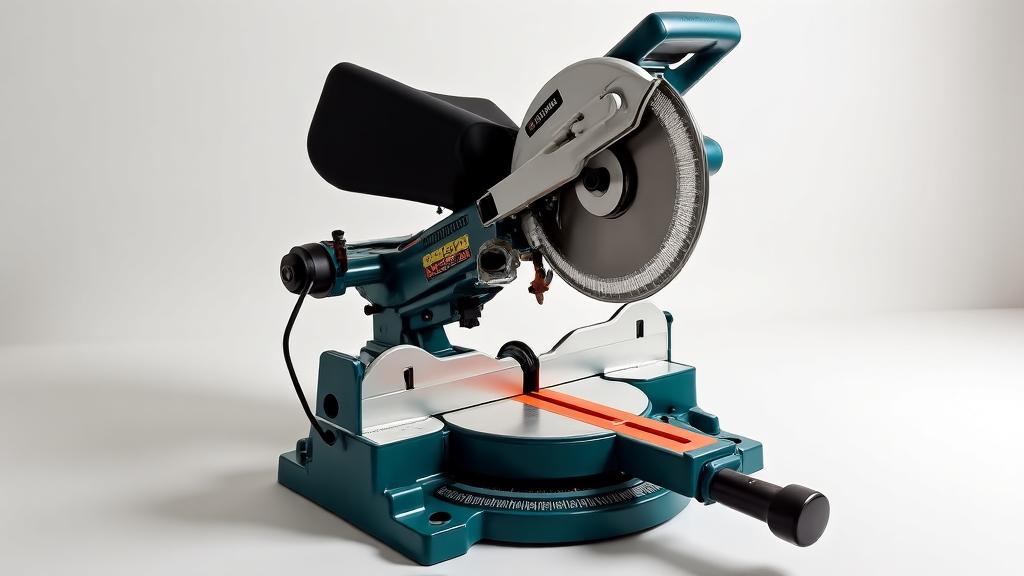
Using the manufacturer’s recommended steps, regularly sharpen blades to keep the tool running efficiently and reduce strain on other parts. The more you use the tool, the more often you should sharpen them. Dull or chipped blades and bits should be replaced promptly to maintain cutting efficiency and safety.
6. Store Properly
Proper storage extends tool life. Store cordless tools in a dry, warm place, away from moisture and extreme temperatures. A hard case or bag is recommended to protect them from dampness, corrosion, and physical damage. Damp environments can cause electrical issues and corrosion, so avoid storing tools in basements or unheated sheds.
Practical Takeaways
- After each use: Clean the exterior, check air vents, and use compressed air to clear internal dust.
- Weekly (or more often with heavy use): Inspect blades, bits, and carbon brushes; sharpen or replace as needed.
- Monthly: Lubricate spindle and other moving parts per the manual.
- Storage: Always store in a dry, warm location, preferably in a case or bag.
By following these steps, your cordless power tools will perform reliably and last longer, saving you money on replacements and repairs. For more on choosing the right tools, see our comparisons of Makita vs Dewalt cordless tools.