Quick Answer
You can sharpen steel-toothed circular saw blades yourself using a file, but carbide-tipped blades require professional sharpening because carbide is extremely hard and the process is complex. Professional sharpening services can restore blades to like-new condition, typically costing about 25 to 50 cents per tooth. For DIY sharpening of steel blades, clean the blade first, then use a file to restore each tooth's edge. For carbide-tipped blades, a professional service is recommended to avoid damaging the blade.
Main Explanation
Why Sharpen a Circular Saw Blade?
A dull blade forces your saw's motor to work harder, which can lead to increased motor strain and reduced cut quality. For a deeper look at how different saws affect cut quality, check out our circular saw vs track saw comparison. Sharpening improves cut quality, reduces strain on the tool, and extends blade life.
DIY Sharpening: Steel Blades
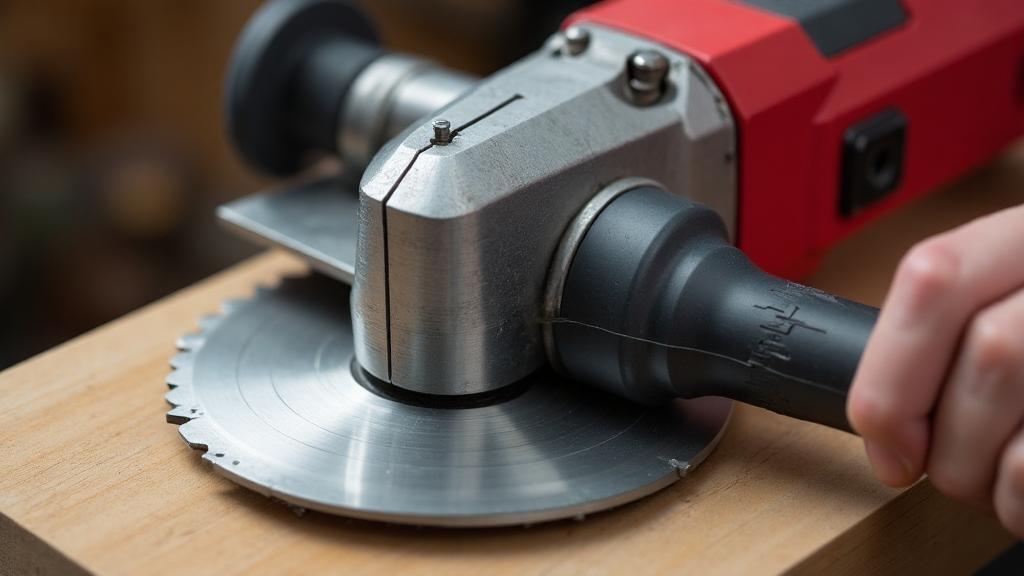
If you have a steel-toothed circular saw blade, you can sharpen it yourself using a file. The process involves:
- Clean the blade. Start with a clean blade. Pour acetone or blade cleaner into a shallow tray. Soak the blade for 5 minutes to loosen pitch and resin.
- Secure the blade. Clamp the blade in a vise or use a rag to hold it steady.
- File each tooth. Use a mill file to sharpen each tooth, following the original bevel angle. Work from the face of the tooth, not the back, to maintain the correct geometry.
- For steel blades: Clean the blade with acetone or blade cleaner, then use a mill file to sharpen each tooth, following the original bevel.
- For carbide-tipped blades: Do not attempt DIY sharpening with a file. Send the blade to a professional sharpening service.
- Cost: Professional sharpening typically costs 25 to 50 cents per tooth, which is often more cost-effective than replacing the blade. If you're in the market for a new saw, our guide to the best budget circular saws can help you find an affordable option.
- Safety: Always disconnect the saw from power before removing or installing a blade. See our complete guide on how to use a circular saw safely for more safety practices.
- HowStuffWorks – Can circular saw blades be sharpened? https://home.howstuffworks.com/can-circular-saw-blades-be-sharpened.htm
- OneVan Tool – How to Sharpen a Circular Saw Blade: A Complete DIY Guide. https://onevantool.com/blogs/news/how-to-sharpen-a-circular-saw-blade-a-complete-diy-guide-for-longer-blade-life-and-smoother-cuts
- Mother Earth News – Sharpening Circular Saw Blades. https://www.motherearthnews.com/diy/sharpening-circular-saw-blades-ze0z11zhir
- Cold Saw Shop – How Do Professionals Sharpen Circular Saw Blades? https://coldsawshop.com/blogs/cold-saw-blog/how-do-professionals-sharpen-circular-saw-blades
Carbide-Tipped Blades: Professional Sharpening
Carbide-tipped blades are much harder than steel and require a diamond wheel for sharpening. Attempting to sharpen them with a standard file can ruin the blade. Professional sharpening services use specialized machines, such as Loroch machines, to restore carbide blades to like-new condition. The cost is typically about 25 to 50 cents per tooth.